
The Psychology of the October Mince Pie: Why Early Christmas Campaigns Work


IT'S CHRISTMAS! Okay, not quite, but if you’re anything like me, the first sighting of a festive treat on the shelves is enough to get you humming carols around the office. For me, the festive season can't come soon enough. This year, we've already seen M&S launch its Christmas food range and Waitrose hosted their festive showcase at the start of September, all before we've even had a chance to pack away our summer clothes.
We know this isn't an accident. It’s a carefully planned strategy rooted in a deep understanding of human behaviour. Let’s dig into a mince pie and explore why brands are kicking off Christmas in autumn.
The early bird catches the Christmas planner
A campaign of this scale doesn't just happen overnight. In marketing Christmas planning starts when the sun is still shining, often as early as July! This long lead time is essential to secure stock, book prime advertising space, and get creative assets signed off. Beyond the logistics, it’s about tapping into a specific type of customer mindset.. the Christmas planner.
Many people love to be organised (guilty!). The thought of a frantic last minute dash around the shops in December fills them with dread. By launching early, brands are appealing directly to this desire to be prepared. They’re offering a sense of control, allowing people to spread the cost and the effort over several months.
It’s about festive priming
Have you ever noticed that once you see the first Christmas ad, you suddenly start seeing festive things everywhere? That’s a behavioural principle called priming in action.
By introducing festive cues early on—like the scent of mulled wine or the sparkle of a bauble—brands are planting a seed in our minds. We’re not necessarily being pushed to buy right there and then, but our brains are being gently nudged to start thinking about the season.
This works hand-in-hand with the Mere-Exposure Effect, a psychological phenomenon where we tend to develop a preference for things simply because we are familiar with them. When M&S consistently gets its festive food in front of us from September, by the time we’re actually writing our Christmas shopping list, their brand is already top of mind. It feels familiar, reliable, and like the obvious choice.
Keeping this festive without fatigue
From a commercial perspective, a longer festive period simply means a longer window for sales. But brands have to play this carefully to avoid annoying their audience. No one wants to see the exact same advert on repeat for three months straight!
This is where the concept of ad fatigue comes in. Smart brands know they need to keep their campaigns fresh and engaging over the extended period. The messaging in September is very different from the messaging in December.
September - October |
November |
December |
|---|---|---|
|
Focus on planning & inspiration - Ocado have already launched their “Start the prep & save” campaign Discover our magical new range Book your Christmas delivery slot early |
Messaging shift to urgency and offers to tie in with events like Black Friday Don’t miss out on our festive deals |
It’s now all about the final countdown Last chance for delivery The Perfect last minute gift |
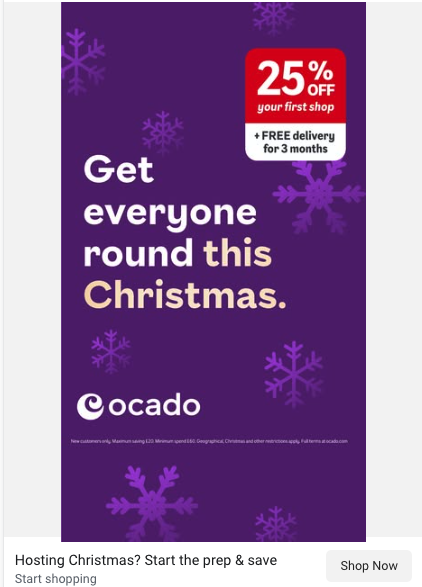
This strategy keeps the audience engaged without overwhelming them, guiding them through a carefully crafted journey from initial awareness to final purchase.
Searching for a sprinkle of joy
Let’s not forget the emotional angle. Christmas, for many, is a time of joy, nostalgia, and comfort. Early Christmas campaigns can tap into this desire for escapism and positivity.
That warm, fuzzy feeling we get from a heartwarming Christmas ad can provide a welcome distraction and build a powerful emotional connection with a brand. It's less about the hard sell and more about associating their brand with the positive feelings the season evokes.
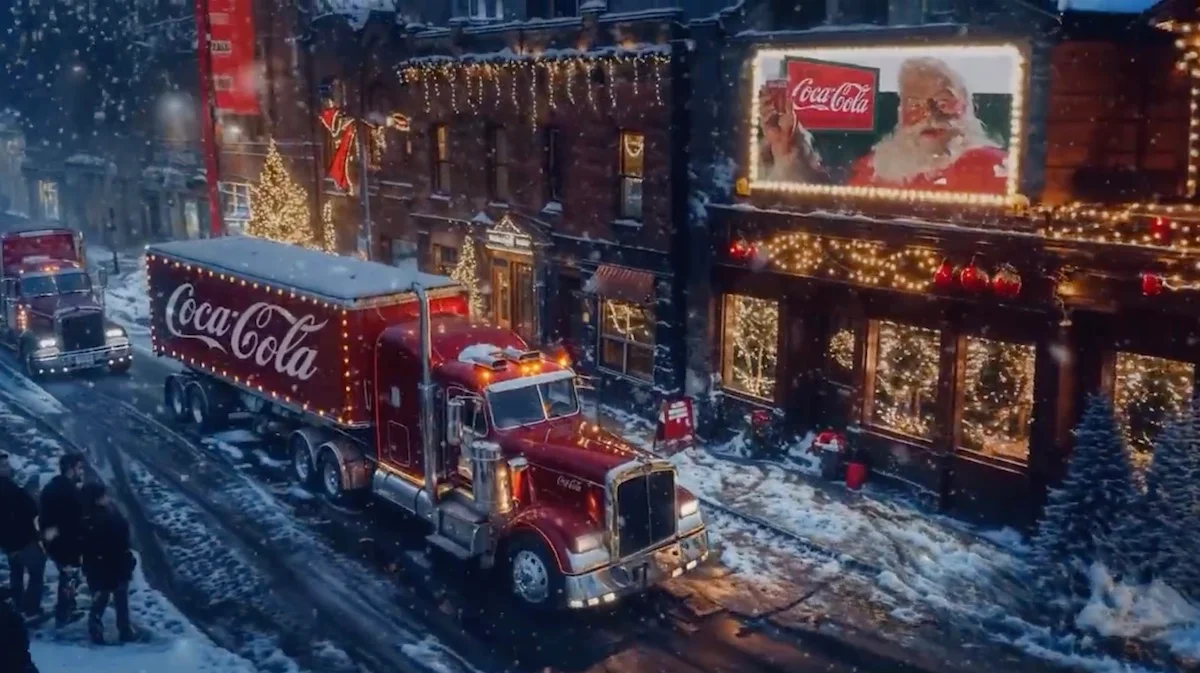
Coca-Cola's Holidays Are Coming advert is pure bottled nostalgia. For so many of us, the sound of those bells and the sight of that glowing red truck officially marks the start of the festive season. It doesn't really sell the drink, it sells the feeling of anticipation and the magic of Christmas Eve.
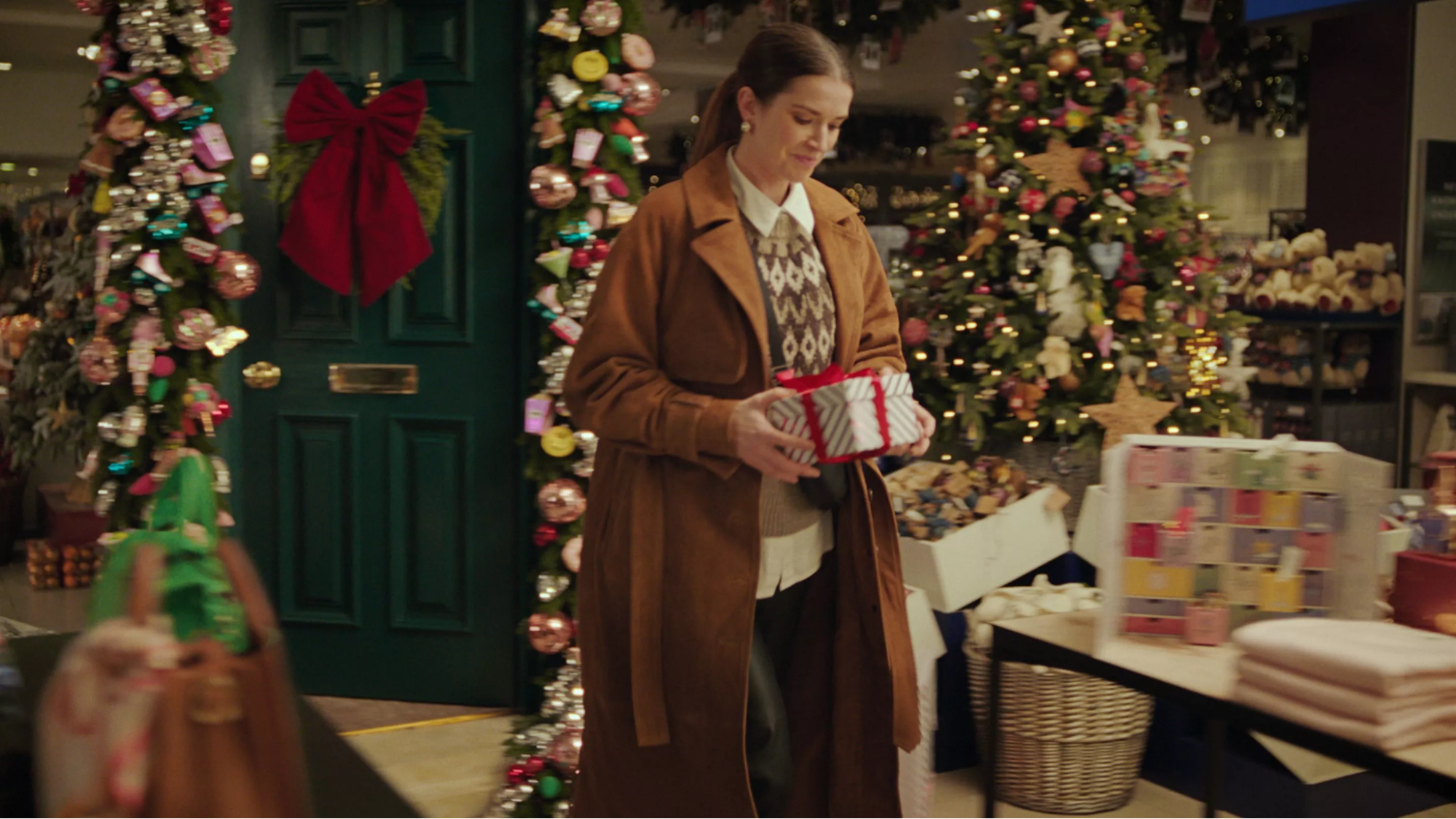
John Lewis has turned its Christmas advert into a national event. We don't just watch it, we wait for it, we talk about it, we analyse it. They master the art of emotional storytelling, creating heartwarming narratives about connection, friendship, and thoughtful giving. They sell the feeling of making someone's Christmas special.
Key Takeaways
So, while seeing a mince pie in October might feel strange, there's a lot of clever, human-first thinking behind it.
- Brands appeal to organised shoppers who want to avoid last-minute stress and spread the cost.
- Early exposure through priming makes brands feel familiar and trusted when it’s time to buy.
- Avoiding ad fatigue is crucial, campaigns evolve over the months with different messaging to keep audiences engaged without becoming repetitive.
- Tapping into the positive feelings and nostalgia associated with the festive season builds a strong brand connection.
Thinking about getting your next campaign ready ahead of the curve? Our team is always here to chat about how a human-first, behavioural approach can make all the difference. Get in touch, we’d love to hear from you!
Contact Us
MEET THE AUTHOR.
HANNAH WELSH
Far from your workaday Account Manager, Hannah strives to be your organisation’s representative within Reflect Digital. She brings a strategic mindset to all of her work, and works consultatively with her clients to ensure that, together, they can find the way to take their digital marketing to the next level, and smash their targets. She also ensures all of the Reflect’s teams are aligned, prepared and organised to give her clients the best experience.
More about Hannah