

Short vs Long Form Video: What Drives Engagement


The way we consume video has undergone a dramatic and rapid change. On one side, we have short-form content like TikToks, Reels, and YouTube Shorts dominating our feeds. On the other hand, long-form videos like documentaries, vlogs, and full-length series still attract millions of viewers.
Both serve very different purposes, and both are incredibly powerful in their own ways.
Short-form video
It is used for quick entertainment, trends, education snippets, product teasers, and brand storytelling in bite-sized doses.
Benefits:
-
High reach and virality – Great for discovery and attracting new audiences.
-
Low production barrier – Fast, easy, and cost-effective to create.
-
Platform-friendly – Favoured by algorithms for visibility and engagement.
-
immediate impact – Ideal for grabbing attention in seconds and driving quick action.
Long-form Video
It is used for deep storytelling, brand building, tutorials, interviews, and content that builds loyalty over time.
Benefits:
Stronger audience relationships – Builds trust and connection with viewers.
-
Better retention – Keeps audiences engaged for longer periods.
-
Higher conversion potential – Perfect for education, complex topics, and brand authority.
So what’s really going on here? Why do we gravitate toward one format over another, and what does the future of video look like?
Why Short-Form Content Is Booming
Quick, engaging, and addictive – It captures attention fast.
Fits modern attention spans – People want value in under a minute.
Perfect for discovery – Algorithms love it, and it’s easy to share.
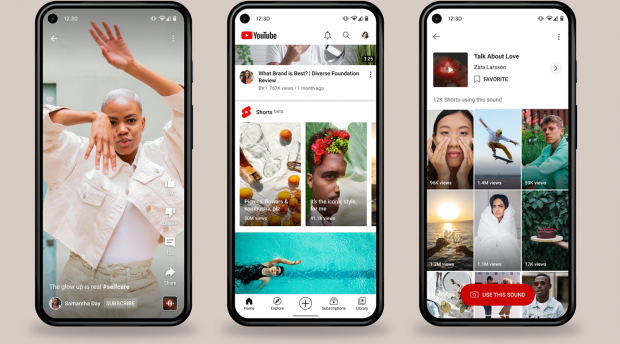
It’s ideal for entertainment, quick tips, trends, and viral moments. And it’s especially popular with younger audiences who are constantly scrolling.
Short-form content works best when it connects with human behaviour, how people think, feel, and act. By using behavioural nudges that trigger emotion, spark curiosity, or tap into relevance, it encourages viewers to stop scrolling and engage. Whether it’s joining a trending sound, sharing a quick how-to, or revealing behind-the-scenes moments, this format humanises your brand and taps into our natural drive to connect and belong.
It’s especially effective for awareness and engagement, even if it doesn’t always lead directly to conversion. Once you’ve grabbed someone’s attention through a short video, you can guide them toward longer-form content, newsletters, or your website for deeper engagement.
Gen Z and Gen Alpha grew up in the mobile-first era. They prefer short, visual, and authentic content over polished production. For them, short-form isn’t just a preference, it’s a communication style. Brands and creators who can speak that language naturally build stronger relationships and community with this audience.
The Enduring Power of Long-Form Content
Despite the explosion of short-form video, long-form content is far from fading. In fact, it’s thriving, just serving a different purpose. While short clips capture attention, long-form content holds it. Viewers are willing to invest more time when what they’re watching feels meaningful, valuable, and authentic.
Here’s why long-form still matters
Depth and storytelling – Documentaries, tutorials, or in-depth discussions.
Long-form content gives creators and brands the space to tell richer, more layered stories. Whether it’s a YouTube documentary, a product walkthrough, or a founder sharing their journey, the longer format allows for context, pacing, and nuance that short-form simply can’t deliver.
Audiences crave this kind of storytelling because it builds emotional momentum. They don’t just consume it; they experience it. It’s why people binge-watch entire Netflix series or spend hours watching multi-part YouTube explainers, they want to feel immersed, not just entertained.
For brands, long-form is where real storytelling and brand depth live. It’s the difference between a catchy ad and a narrative that leaves a lasting impression.
Stronger emotional connection – With the topic or the creator.
Long-form video taps into human behaviour and the power of behavioural nudges to build lasting emotional bonds. While short clips can spark emotion, longer videos sustain it, allowing viewers to feel invested in your story. When people spend 10, 30, or even 60 minutes engaging with your content, they begin to form a relationship with you or your brand.
This deeper connection nurtures trust, authenticity, and credibility, qualities that cut through a world overflowing with surface-level content. Formats like interviews, behind-the-scenes stories, or founder-led vlogs create space for vulnerability and honesty, tapping into our behavioural drive for connection and belonging. For creators and thought leaders, this emotional engagement often turns casual viewers into loyal followers, customers, or even advocates.
More value – Especially in education, business, or thought leadership.
Long-form content shines when you need to educate, explain, or inspire action. It’s the best format for topics that require context, from in-depth tutorials and webinars to thought leadership pieces and customer stories.
This type of content builds authority. When audiences see you consistently providing insight, they associate you with expertise. and that credibility translates into trust, influence, and conversions.
That’s why long-form is a go-to in industries like education, business, tech, and consulting; it lets you deliver actionable value that short videos can only tease.
Many successful creators use short-form to attract, but long-form to convert and retain. Once someone discovers you through a short clip, long-form content keeps them coming back for more. It’s where followers become fans, and fans become a community.
This combination is incredibly powerful: short-form builds visibility, while long-form builds relationships. Together, they create a full content ecosystem that supports both reach and retention.
Short-form and long-form content aren’t competitors; they’re two sides of the same storytelling coin. Each format serves a distinct purpose, and the real power comes from knowing when and how to use them together.
Key Takeaways
Short-form video grabs attention fast, drives awareness, and keeps your brand relevant. Perfect for testing ideas, riding trends, and reaching new audiences, your top-of-funnel engine.
Long-form video builds trust, provides depth, and strengthens loyalty. Ideal for storytelling, education, and monetisation, your connection and retention engine.
The Future: The smartest strategies blend both. Short-form sparks discovery; long-form deepens engagement.
Want to make the most of both formats? Speak to our video team to see how we can help.
Contact Us
MEET THE AUTHOR.
CHRIS MALE
As the head of video, Chris is the mastermind behind the camera, coordinating all technical elements. He not only operates the cameras but also edits the footage, crafting incredible content for our clients. Given the demand for video content, Chris' objective is to ensure we fulfil our clients' needs with precision and creativity.
More about Chris