
Digital PR in the Fitness Industry: Unique Challenges and Opportunities

The fitness industry is evolving fast from influencer workouts on Instagram and TikTok to AI-powered health apps - competition for attention is fierce. As a result, more fitness businesses are investing in Digital PR to build authority, drive visibility, and foster real engagement.
But Fitness PR isn’t one-size-fits-all. Misinformation, market saturation, and high consumer expectations present unique challenges that require tailored, evidence-based approaches.
In this blog, we break down those challenges and reveal opportunities for fitness brands to thrive with smarter Digital PR strategies grounded in behavioural psychology and proven results.
What is Fitness PR?
PR in fitness refers to how health and wellness brands communicate with the public to build credibility, foster engagement, and earn media attention. This can include thought leadership, expert commentary on particular trends, as well as influencer outreach and more, all designed to align your message with your mission.
#1 Market Saturation & Differentiation
The fitness market is flooded with gyms, coaches, apps, and supplements, many offering similar promises. The key to standing out? A clear, authentic brand narrative. Therefore, for a fitness business, the strategy would be:
Strategy:
-
Leverage customer testimonials and expert insights to humanise your brand.
-
Pitch these stories to top-tier fitness publications to build authority and trust.
In behavioural psychology, social proof is the phenomenon where people assume the actions of others reflect the correct behaviour in a given situation. In the fitness industry, where people often feel uncertain or overwhelmed by choice, testimonials serve as reassurance from “people like them” that your service delivers real results. This creates a cognitive shortcut that nudges potential clients toward trust and action.
Testimonials can:
- Reduce perceived risk and uncertainty.
- Create emotional resonance by showcasing transformation stories.
Tap into the “bandwagon effect”- if others are succeeding with you, new prospects are more likely to believe they can too.
Expert Insights Example:
At Reflect Digital, we’ve helped Complete Pilates, a physiotherapist-owned and led clinical Pilates studio with three locations in the heart of London, build thought leadership by positioning their director, Helen O’Leary, as a leading expert in clinical Pilates.
Through targeted journalist outreach, she’s been featured on topics from back pain to different forms of Pilates, to help cement her credibility in the wellness space, not only with their audiences but with key journalists at these top tier publications who trust Helen to provide insightful, trustworthy content time and time again.
#2 Misinformation & Consumer Skepticism
Clickbait health hacks and “miracle” fitness claims have bred distrust and audiences now crave authenticity and evidence.
Strategy:
-
Collaborate with certified professionals — physiologists, nutritionists, and coaches. This helps to build that trust and credibility. And back up what you claim.
-
Publish research-backed content (surveys, data-led pieces) to attract both journalists and discerning consumers.
-
Are there TikTok fitness trends that are circulating that you could warn against and lend your voice to?
Example:
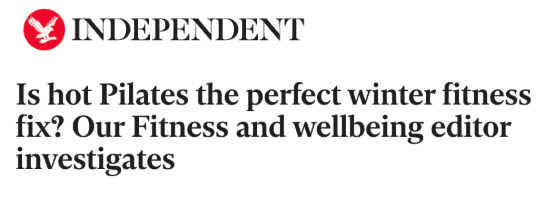
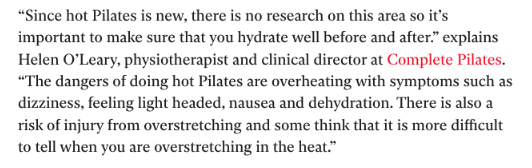
The example below highlights how we identified and quickly responded to a viral TikTok trend — ‘hot Pilates’. We asked Helen O’Leary, Director of Complete Pilates, to share her expert insights on the trend, including potential risks and key considerations for anyone thinking of trying it. By offering a credible, expert-led perspective on a fast-moving topic, we secured high-quality media coverage in titles like The Independent and Stylist, reinforcing Helen’s authority and increasing brand visibility in a meaningful, timely way.
#3 Realistic Expectations
Today’s fitness consumers want fast, personalised results. When outcomes don’t meet expectations, brands risk high churn.
Strategy:
-
Run educational PR campaigns that promote realistic outcomes rather than false claims, which can be detrimental to your brand and lower brand trust.
Example:
“7 Fitness Myths That Are Ruining Your Results”
Pitch to health publications or run a social campaign where certified trainers or physios debunk common fitness myths — like “No pain, no gain” or “You can spot-reduce fat.”
Why it works:
- Establishes credibility
- Provides value without overselling
- Reframes expectations with evidence-backed insights
It also used the Authority Bias behavioural nudge. When certified trainers or physios debunk myths, you're leveraging credible expert voices, which people are psychologically more likely to trust and follow. Authority bias nudges users to defer to those with credentials.
Opportunities in Digital PR for the Fitness Industry
#1 Leveraging User-Generated Content (UGC) for Authenticity
People trust peer recommendations more than brand advertisements. Encouraging user-generated content, such as progress photos, workout videos, and testimonials, boosts engagement.
This again uses the behavioural nudge called the bandwagon effect. Feature real customer stories and highlight their fitness successes to encourage others to join the movement.
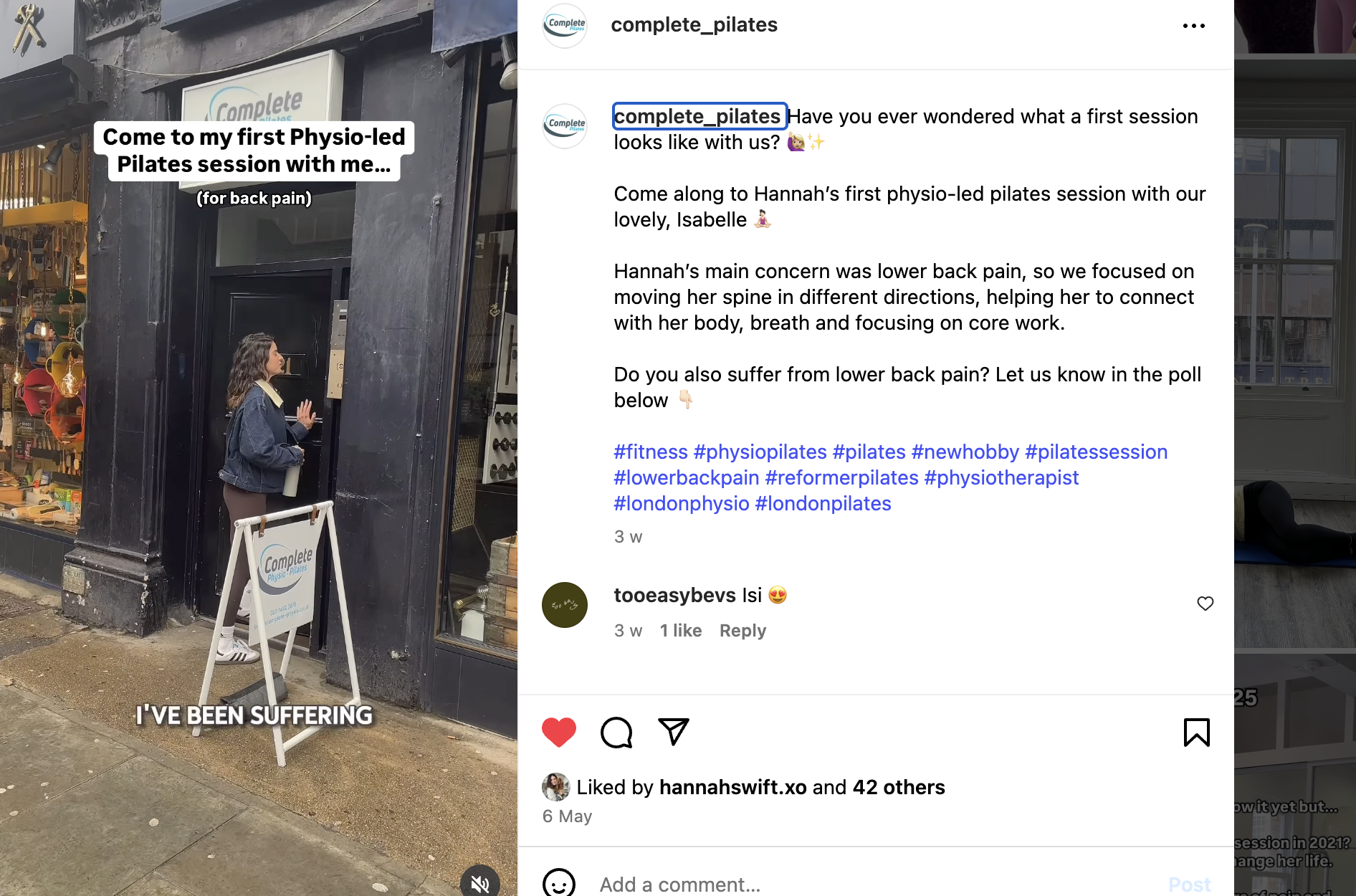
In the example below, Complete Pilates shares user-generated content (UGC) on their social channels to give potential clients a clear, authentic view of what to expect when attending a session at one of their clinics. This not only builds trust and transparency but also creates a sense of community and social proof - showing that others are already engaging and benefiting, which encourages new clients to take the first step.
#2 Thought Leadership Through High-Value Content
Publishing expert content isn’t just great for SEO it positions your brand as a trusted, go-to resource in the fitness and wellness space.
Strategy: Develop high-value content such as blogs, expert interviews, and whitepapers that educate your audience and answer the questions they’re already searching for.
You can also expand your reach by linking to this content within your press releases and pitches - especially when they are linked to timely trends or seasonal topics.
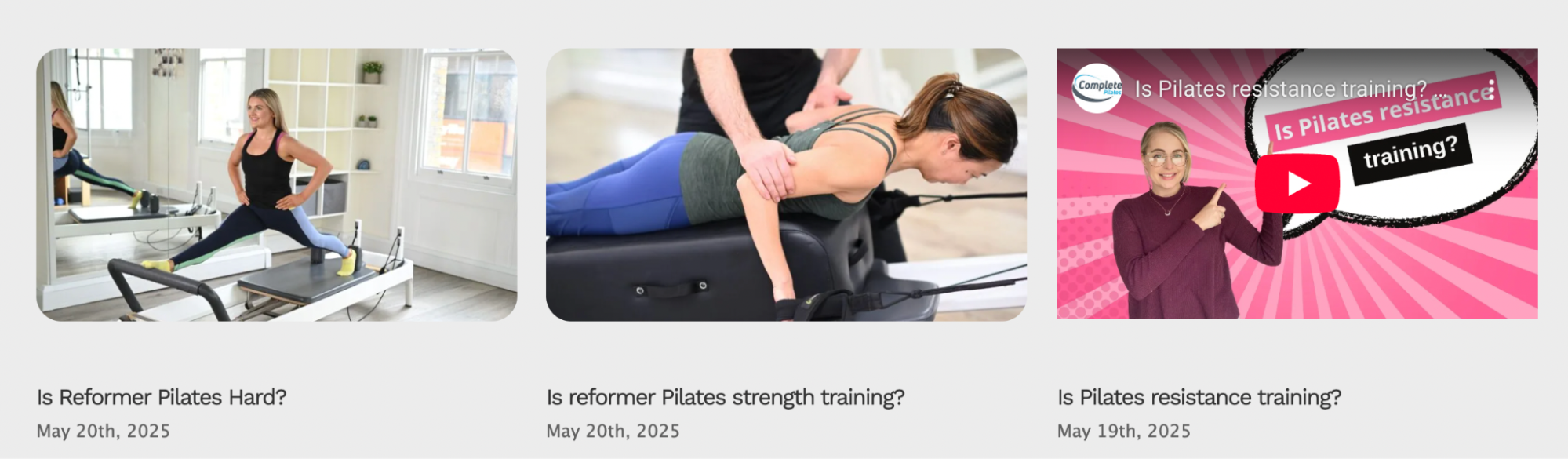
A strong example of this in action is Complete Pilates’ blog content, which not only offers practical advice and expert insights it’s helpful to provide to publications for further information for a piece and shows Complete Pilates as a trustworthy source. .
Featuring expert commentary on trending issues helps generate organic traffic, improve search rankings, and attract media attention - all while positioning your brand as genuinely helpful and informed.
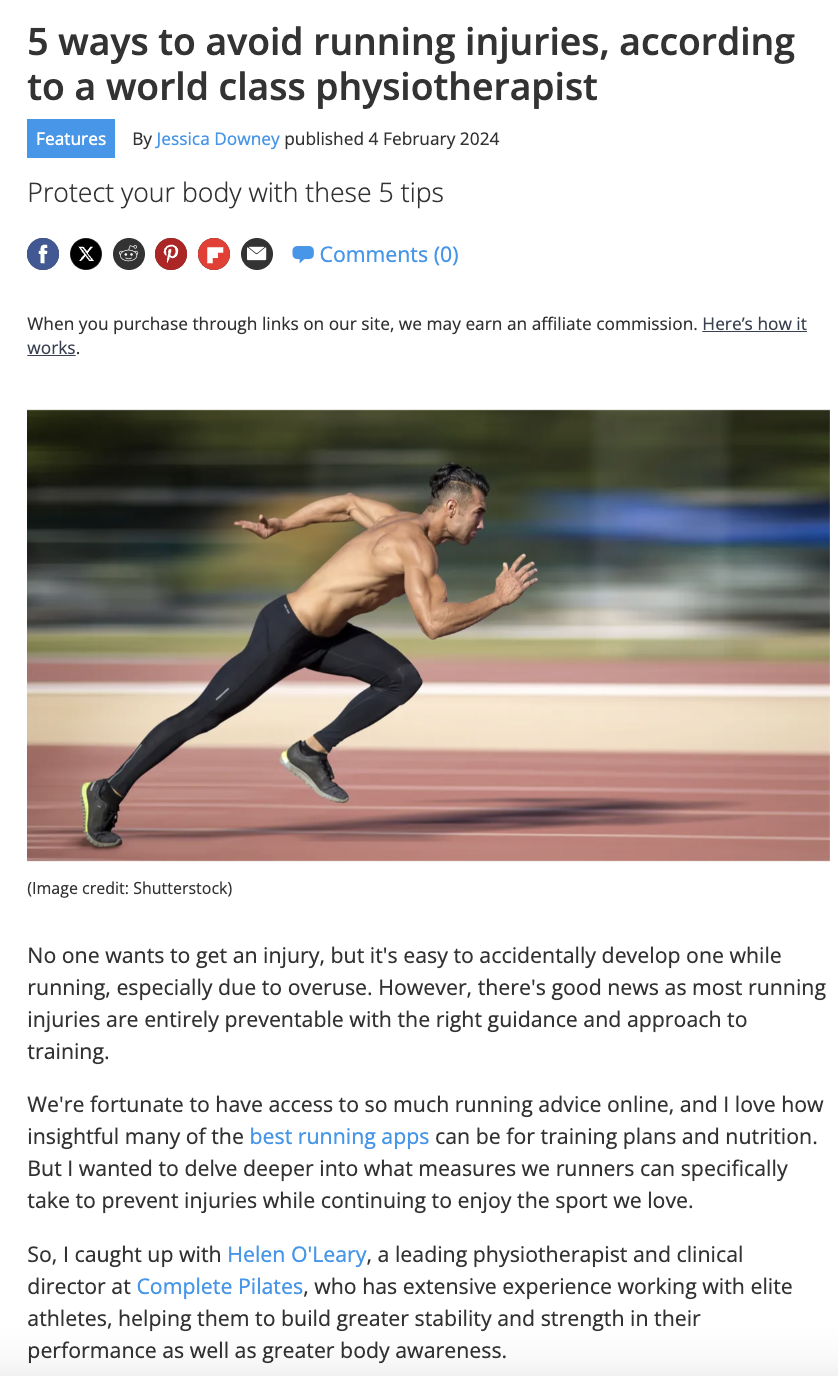
One standout piece - focused on avoiding common running mistakes - was picked up by Tom’s Guide, giving the brand exposure on a high-authority site while reinforcing their credibility.
Headline example: “5 ways to avoid running injuries according to expert Physiotherapist”
#3 Cause-Driven Digital PR to Build Emotional Connections
Modern consumers care deeply about values. Aligning with a mission builds stronger emotional bonds.
Strategy:
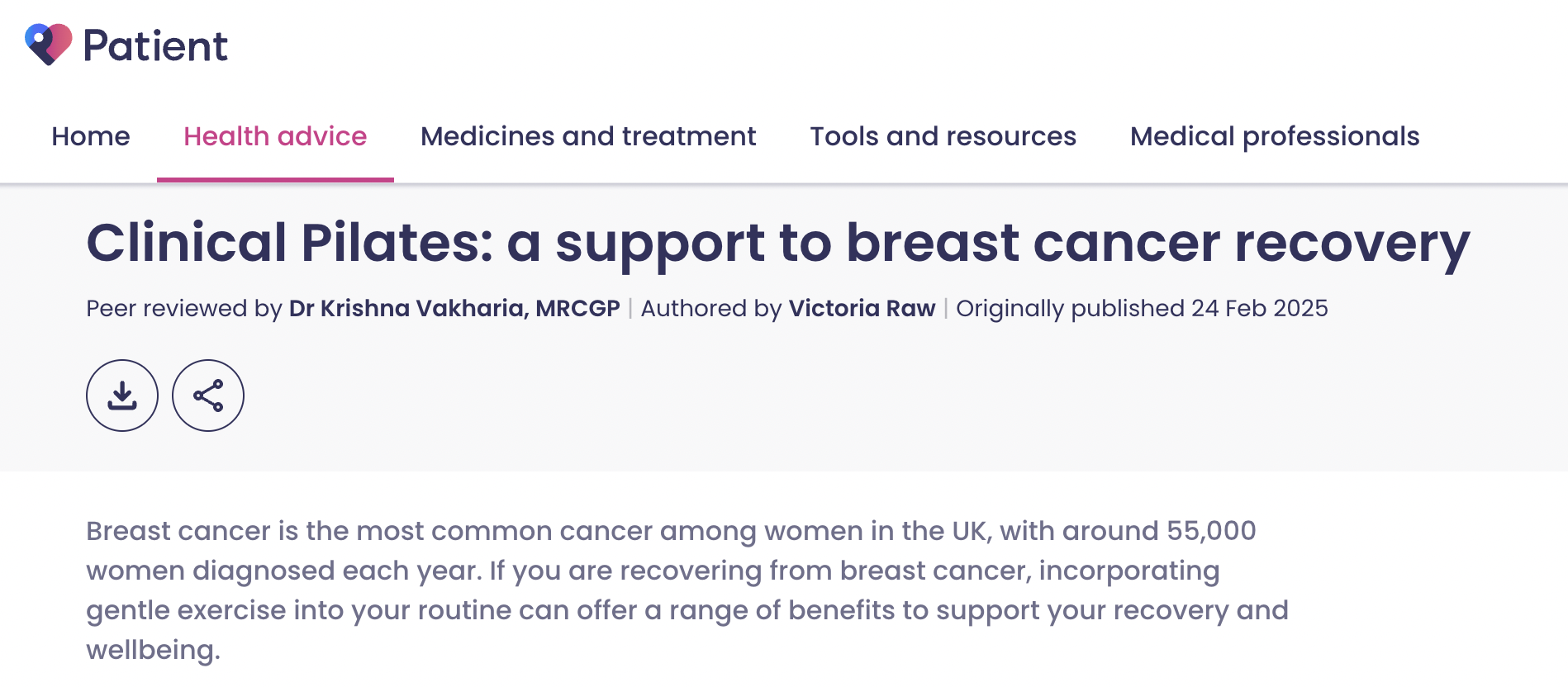
Support causes like mental health, body positivity, or accessible cancer recovery support. For our client, Complete Pilates — which offers specialised Pilates support for individuals recovering from cancer — we collaborated with a journalist at Patient to produce a full feature focused on breast cancer recovery. This service not only reflects Complete Pilates’ commitment to supporting cancer survivors but also aligns closely with the publication’s values and audience needs.
Share transformation stories that show how your brand supports these missions.
You can tap into the “empathy effect” behavioural nudge here, real stories foster emotional connection and lasting brand loyalty. If you have a compelling case study showing the impact of your service or product on a real person’s journey, share it to bring your brand’s value to life in a relatable, human way.
Key Takeaways
Fitness PR is about more than just media coverage- it’s about building trust, fostering engagement, and nudging consumer behaviour in a positive direction.
With the right mix of authenticity, authority, and strategic nudges, fitness brands can overcome industry challenges and maximise their PR efforts in the digital world.
When it comes to measuring your campaigns, the right Digital PR metrics are essential for tracking the effectiveness of your outreach and content efforts.
Key performance indicators such as website traffic, engagement, backlinks, and share of voice can help measure the success of your campaign. These insights give you the data needed to assess the impact of your content and ensure that your messaging resonates with your target audience.
With the right approach, Digital PR metrics not only highlight areas of success but also reveal opportunities for improvement, enabling you to continuously optimise your strategy.
If you want to level up your outreach and link building in the fitness and wellness space, then our Digital PR experts are here to support your business.
Get in touch with our Digital PR team today to help you track the right results for your Digital PR campaigns!
Contact Us

MEET THE AUTHOR.
JOANNA EARLE
Joanna oversees the PR and Media activity for our clients, including link building, outreach strategies and digital PR.
She leverages her outstanding relationships with the movers and shakers at household name publications and websites to ensure our clients receive the best coverage and most powerful backlinks. She’s also an expert copywriter and offers reactive PR and media monitoring.
More about Joanna