

Local SEO Link Building Techniques for Increased Visibility


With 46% of Google searches showing local intent and UK consumers regularly searching for nearby services, local visibility is a major opportunity for marketers. Local SEO link building (earning backlinks from geographically relevant websites like local news outlets, community organisations, and regional directories) is one of the most effective ways to strengthen that visibility. These locally relevant links and brand mentions send strong signals of credibility, authority, and genuine community connection to search engines. In turn, this supports higher visibility in local search results and Google’s Local Pack, while also strengthening trust with real customers. As search continues to evolve, these signals can also help improve your presence in AI search and LLMs like ChatGPT, where brand authority and contextual relevance matter more than ever.
In this blog, we’ll explore practical local link-building techniques for local SEO to help you increase search visibility and drive local traffic.
What Is Local SEO Link Building?
Local SEO link building is the process of earning backlinks from websites that are geographically relevant to your business, such as local news sites, community blogs, chambers of commerce, directories, and neighbouring businesses. Unlike traditional link building, which often prioritises huge, high-authority sites and can be a more difficult task, local link building focuses on contextual and location relevance.
For example, a Kent-based business would gain more local ranking value from a link on Kent Live or a local business directory than from a generic national industry blog. In local SEO, quality and geographic relevance consistently outweigh volume.
Why Local Link Building Matters for SEO and Rankings
Local link building plays a crucial role in improving visibility in both local organic search results and Google’s Local Pack. Backlinks remain one of Google’s most influential ranking factors, and when they come from geographically relevant sources, they act as strong signals of trust, authority, and community connection. Therefore, locally relevant links act as trust and authority signals to search engines (showcasing Google’s E-E-A-T SEO principles), telling them your site is worth ranking higher in search results. In fact, studies from Bright Local and White Spark show that link signals are among the top ranking factors for local organic results and still sit within the top five for Local Pack rankings. This means that earning high-quality local links can directly impact how prominently your business appears when users search for nearby services.
The Behavioural Science Behind Local Links
Beyond rankings, local backlinks also drive real commercial value and trust. From the commercial side, it was found that more than 75% of users who search for a local business online visit that business within 24 hours, and over a quarter go on to make a purchase. Furthermore, links from trusted local sources not only strengthen your SEO performance but also place your brand in front of highly relevant, ready-to-convert audiences. When potential customers see respected local institutions mentioning or linking to your business, they start to feel confident about your legitimacy and involvement in the community. Local links build credibility, increase referral traffic, and reinforce your local presence. This psychological effect touches on several human behavioural nudges, such as social proof, the halo effect, the mere exposure effect, and authority bias, and contributes to higher conversion rates and customer acquisition.
Learn more about how user behaviour is influencing your local SEO strategy
How To Build Local SEO Backlinks
SEO link building doesn’t need to feel overwhelming. In reality, many of the most effective local SEO link-building tactics come down to strengthening your presence within the local community and creating genuine connections. Find out what core strategies are worth focusing on below.
Local SEO Link Building Techniques
1. Build Relationships Within Your Local Community
Many local link opportunities naturally come from being active in your area. This includes sponsoring events, supporting charities, partnering with local organisations, or collaborating with nearby businesses.
These activities often lead to links from trusted local websites (e.g. sponsor pages, partner listings, or event coverage), while also boosting brand awareness and trust. For marketers, this is where SEO and real-world engagement work hand in hand.
2. Get Featured on Local Media & Industry Platforms
Local news sites, blogs, podcasts, and publications are some of the most authoritative local links you can earn. They not only improve rankings but also strengthen your brand’s reputation by positioning you as a trusted voice in your local area.
You can build these links by:
-
Sharing expert insights or press releases
-
Contributing guest articles or columns
-
Speaking at local events or being featured as a guest
3. Secure Foundational Links from Directories & Organisations
Having links on local business directories is essential for establishing your brand’s online presence. They serve as reliable sources where search engines verify your business information and assess your credibility.
Focus on:
-
High-quality general directories (e.g. Google Business Profile, Yelp, etc.)
-
Industry-specific directories
-
Local organisations like chambers of commerce
Optimising for consistency (across Name, Address, Phone (NAP) details) and relevance are key here, as search engines use these signals to validate your business’s local presence.
4. Create Locally Relevant Content That Earns Links
Content can act as a natural link magnet when it’s genuinely useful to a local audience and provides value.
This could include:
-
Local guides, resources, or event roundups
-
Case studies with local clients or partners
-
Data-led insights or community-focused content
When done well, this not only increases the chances of other websites linking to your site but also reinforces your topical and geographic relevance.
5. Leverage Existing Opportunities (Quick Wins)
Some of the easiest local links come from opportunities you may already have.
For example:
-
Analysing competitor backlinks to find gaps
-
Reclaiming broken or lost links
-
Turning unlinked brand mentions into backlinks
These tactics are often lower effort but can deliver quick, measurable gains, making them a great starting point to build momentum.
Tools and Resources for Managing Local Link Building
Managing local SEO link building can get complex, especially when balancing outreach, tracking, and citation accuracy. The right tools help prioritise high-impact opportunities and measure what actually improves visibility.
Backlink Analysis & Competitor Research
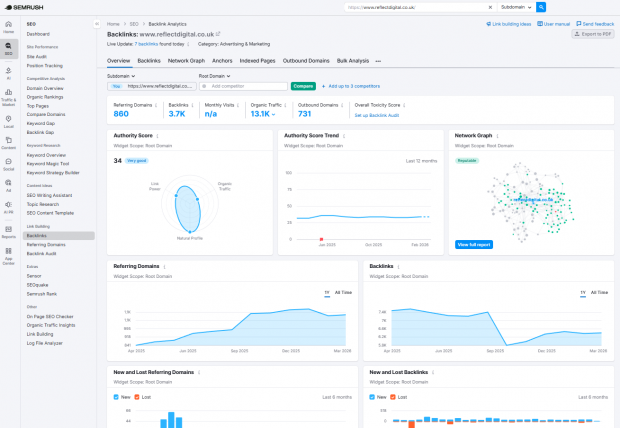
Tools like Ahrefs, Moz, and Semrush help you analyse competitor backlinks, spot gaps, and find relevant local link opportunities. Features like link intersect and spam scores make it easier to focus on quality over quantity.
Local SEO & Citation Management
Platforms such as BrightLocal and Yext help track local rankings and keep your NAP (Name, Address, Phone) details consistent, crucial for trust and performance in Google’s Local Pack.
Monitoring Mentions & Opportunities
Tools like Google Alerts and Mention help you track brand mentions and local conversations.
This allows you to:
-
Turn unlinked mentions into backlinks
-
Identify PR opportunities
-
Stay active in your local community on news/community websites
Measuring the Impact of Local Link Building on Search Visibility
Measuring the success of your SEO local link building isn’t just about counting links - it’s about understanding how those links contribute to real visibility, traffic, and conversions. Therefore, you need to focus on performance signals that show how your presence is improving in local search.
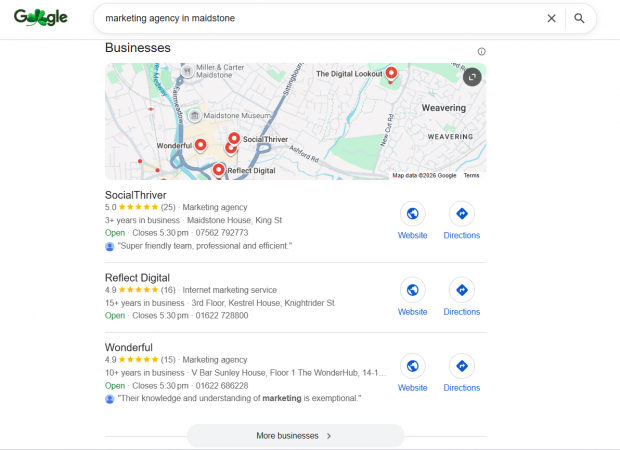
The most direct indicator is improved rankings for location-based keywords (e.g. “marketing agency in maidstone” or “marketing agency near me”), particularly within the Local Pack.
Key Metrics to Track
To get a clear picture of performance, focus on a combination of ranking, visibility, and engagement metrics:
-
Local keyword rankings: Track movement for geo-targeted terms to measure visibility improvements
-
Local Pack performance: Monitor your position in map results, where high-intent clicks often happen
-
Google Business Profile insights: Keep an eye on impressions and actions (calls, clicks, direction requests)
-
Click-through rates (CTR): Understand how effectively your listings drive traffic
-
Referral traffic: Use Google Analytics 4 and add UTM parameters to links from local partners or directories to help you identify which local links are generating traffic and conversions
Tracking Local Growth Over Time
Local link building for SEO is a long-term strategy, so establishing a baseline is key. Before starting, document your current rankings, traffic levels, and visibility. From there, track progress monthly to identify what’s working.
You can also go a step further by analysing:
-
Geographic reach: Are you appearing in search results further from your physical location?
-
Conversion rates from local traffic: Are users from local sources more likely to convert?
Tools like BrightLocal can help visualise this through local ranking grids, showing how your visibility expands across your target area over time.
ROI for Local Link Building
Ultimately, success in local link building comes down to impact. It’s not just about better rankings, it’s about attracting more qualified local traffic and turning that visibility into real business outcomes.
By combining ranking data with user behaviour metrics, marketers can move beyond vanity metrics and build a clearer picture of how local links contribute to growth.
Dos and Don’ts of Local Link Building
Link building for local SEO is highly effective - but only when done correctly. Here are some key principles to guide your strategy so you don’t fall into any common pitfalls:
Do:
-
Prioritise relevance over metrics: A link from a locally relevant site will often outperform a high authority but unrelated domain
-
Think hyper-local: Start with your immediate area and expand outward to uncover more targeted opportunities
-
Use competitor insights strategically: Identify gaps, but focus on quality rather than copying every link
-
Look for quick wins: Broken links, existing relationships, and brand mentions can often be turned into links with minimal effort
Don't:
-
Rely solely on vanity metrics: Metrics like Domain Authority can be helpful, but shouldn’t drive decisions in isolation
-
Ignore NoFollow links: Google treats them as hints, and they can still drive traffic and visibility
-
Over-optimise anchor text: Keep it natural - forced keyword anchors can do more harm than good
-
Overlook linkless mentions: Citations and brand mentions still contribute to local authority and trust signals
Key Takeaways
-
Local link building focuses on relevance over volume, prioritising links from geographically relevant sources
-
Local backlinks are a major ranking factor, improving visibility in both organic results and Google’s Local Pack
-
They also drive real-world impact, building trust, increasing conversions, and attracting high-intent local customers
-
The most effective tactics include community engagement, local PR, directories, content creation, and quick-win opportunities
-
Consistency in NAP details and citation management is essential for trust and rankings
-
Tools like Semrush, Ahrefs, BrightLocal, and Google Analytics help identify opportunities and measure performance
-
Success should be measured through rankings, Local Pack visibility, traffic, and conversions, not just link volume
-
A strong strategy balances quality links, local relevance, and long-term relationship building
Local link building isn’t just about SEO, it’s about building genuine local authority. By focusing on relevant connections, consistent data, and measurable outcomes, businesses can turn local visibility into meaningful traffic and revenue growth.
Learn more about our SEO services at Reflect Digital.
Contact Us
MEET THE AUTHOR.
AMELIA MILES
Amelia is our Senior SEO Executive, immersed in the world of digital marketing. She brings enthusiasm and applies creativity and psychological insights to our SEO, content and email marketing strategies. With her natural curiosity and commitment, she contributes to our mission of helping clients achieve their goals and delivering results, and is a positive addition to the team. She also loves getting involved in our Aspiration Digital and BIMA Digital Day events, helping to nurture the future generation of marketers.
More about Amelia